


¿Sufriste Una Lesión En El Trabajo Comenzado el Año? Deja Que Rohan Law Luche Por Tus derechos.
15 January, 2026
¿Cuánto Tardan Los Reclamos Por Accidentes Laborales? Guía Para Trabajadores Lesionados
2 February, 2026
When you are injured on the job, your primary focus should be on recovery, but financial stress often demands attention too. A common question we hear at Rohan Law is, “How long will it take to get my money?” The timeline for workers’ comp settlements varies significantly from case to case. It is rarely an overnight process, as insurance companies often drag their feet to minimize payouts. Understanding the typical timeline can help you manage your expectations and finances while your legal team fights for the compensation you deserve. Navigating the complexities of Georgia law requires patience and a strategic approach to ensure you don’t settle for less than your case is worth.
How Injury Severity Impacts Workers’ Comp Settlements
The duration of your case is heavily influenced by your medical condition. One of the biggest factors is the type and seriousness of your injury. If your injury is straightforward and you recover quickly, your case might settle in 6 to 12 months. However, complex injuries change the timeline dramatically. If your injury is severe and you need long-term treatment, the case could take 18 months or even several years. We generally advise against finalizing workers’ comp settlements until you have reached Maximum Medical Improvement (MMI). Settling before you know the full extent of your future medical needs could leave you paying for expensive surgeries or therapy out of pocket later on.
Why Do Workers’ Comp Claims Take So Long?
Aside from medical recovery, administrative and legal hurdles often slow down the process. Insurance adjusters need time to investigate the accident, review medical records, and calculate the value of the claim. Disputes over whether an injury is work-related or pre-existing can also cause significant delays in finalizing workers’ comp settlements. Furthermore, once an agreement is reached, it must often be approved by the State Board of Workers’ Compensation to ensure it complies with Georgia law. While these steps are necessary to protect your rights, they add time to the clock. An experienced attorney can help streamline this process by anticipating insurer tactics and ensuring all paperwork is accurate and filed promptly.
The Danger of Rushing Your Work Accident Claim
It is understandable to want your money immediately, especially if bills are piling up. However, speed often comes at the expense of value. Insurance companies know that financial pressure makes injured workers desperate, and they often offer lowball workers’ comp settlements early in the process hoping you will accept them. Once you sign a settlement release, your case is typically closed forever. You cannot go back for more money if your condition worsens or if you discover new symptoms related to the accident. Patience is a key component of a successful legal strategy. Allowing your attorney the time to negotiate aggressively often results in significantly higher workers’ comp settlements that truly cover your lost wages and medical bills.
How Rohan Law Maximizes Workers’ Comp Settlements
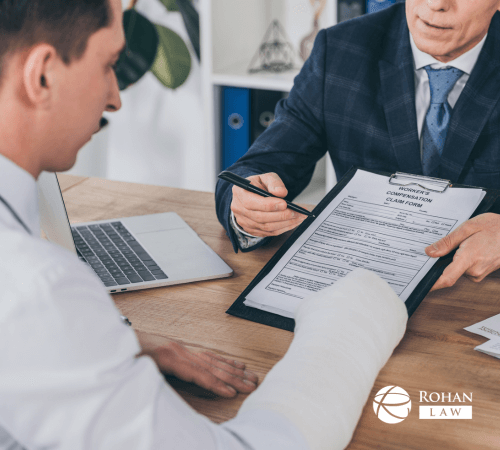
You do not have to face the insurance giants alone. Having a dedicated legal team can make a massive difference in both the timeline and the final amount of your settlement. At Rohan Law, we handle the heavy lifting so you can focus on healing. We gather the necessary evidence, consult with medical experts to establish the long-term cost of your injuries, and push back against unfair delays. Our Workers’ compensation team understands the tactics used to devalue claims and we know how to counter them. Our goal is to secure the best possible workers’ comp settlements for our clients, ensuring that your rights are protected and your financial future is secure even if you cannot return to your previous job.